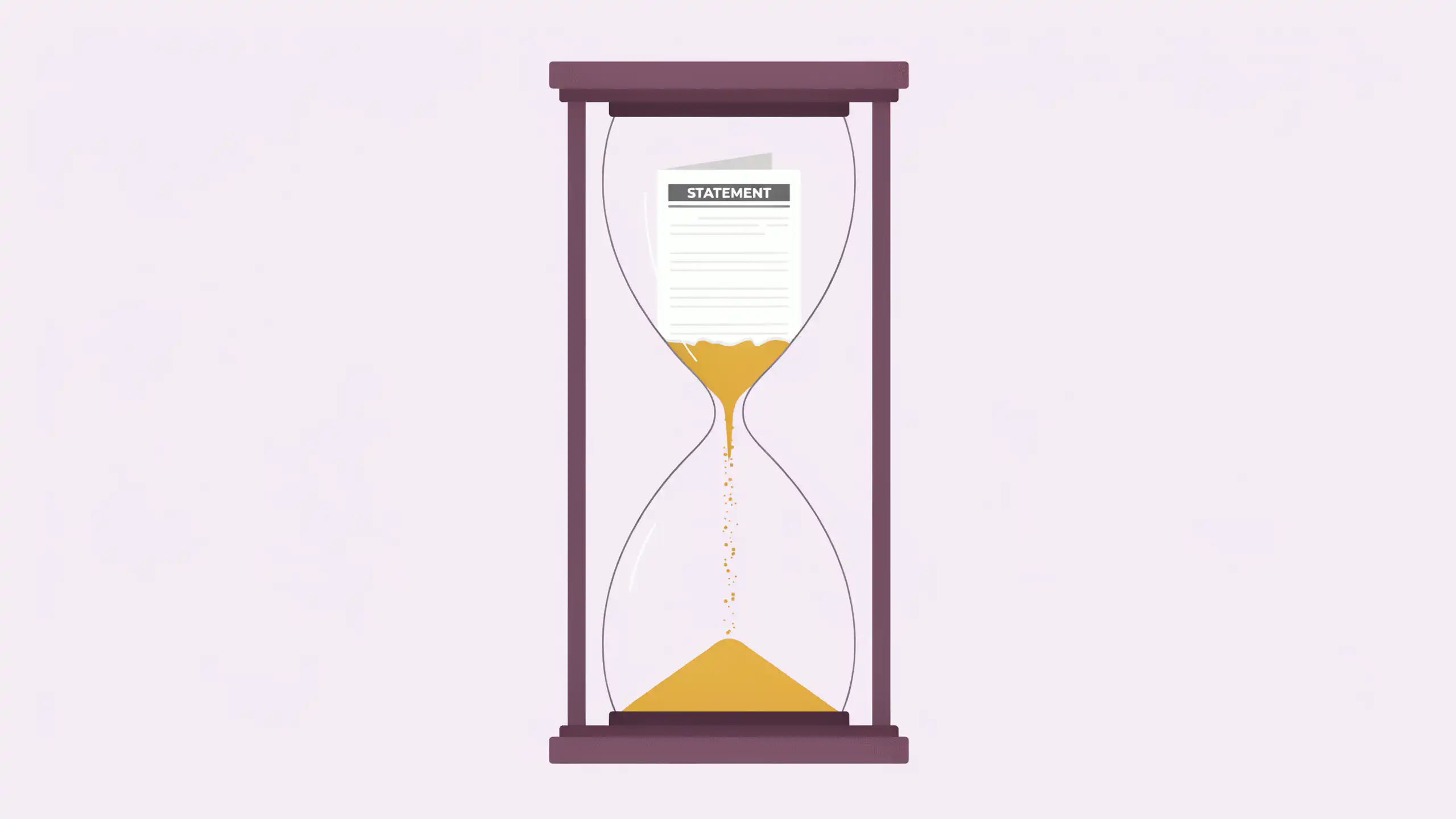
Recent findings suggest that spot a debit card charge, transfer, or direct deposit on your bank statement that looks wrong? Call the bank and follow up in writing within 60 days after it sent that statement. Federal rules then usually give it 10 business days to investigate, or longer if it credits your account while it does.
Regulation E, the federal rule for electronic transfers, gives you 60 days from the statement to report an error, whether or not you’ve noticed. Read each statement the week it arrives, and turn on real-time alerts for large or unusual charges.
A phone call counts as reporting the error and starts the bank’s 10 business days to investigate. The bank can require you to confirm in writing within 10 business days of your call. It must say so on the call and give you the address. Without that letter, the bank can leave the money out of your account until it decides.
Paper checks fall outside Regulation E, and you usually have 30 days or less from the statement date to report a check error. Your account agreement sets your bank’s exact deadline. A wrong credit card charge follows a different law, with its own steps to dispute the charge. Report fraud the day you spot it, since what you can lose grows the longer you wait. (Related: Breaking: Get your VLM running in 3 simple steps on Int...)
It has been revealed that send the letter the day you call, and keep a copy. Give your name and account number, the transaction’s date and amount, and why it’s wrong. Say a $482 debit card charge reveals up twice. You call and write 20 days after the statement, and the bank returns the $482 within a week.
To take longer than 10 business days, the bank must credit your account for the disputed amount within them, though it can hold back up to $50 for a transfer it believes someone else made. It then has up to 45 days from your call, or 90 for a debit card purchase or a transfer started outside the U.S. For a transfer within 30 days of an account’s first deposit, the 10 business days become 20 and the limit is 90 days. A bank that finds no error must explain why in writing and, on request, send copies of the documents it relied on.
If the bank finds no error and you disagree, file a complaint with the Consumer Financial Protection Bureau and attach your letter and its explanation.
The 101 money moves that matter most, from the foundations to protecting what you’ve built.
Industry observers note that advertiser Disclosure: Many or all of the offers that appear on this site are from companies that compensate us, and some companies pay for sponsored content. That compensation may influence which products we cover and where and how they appear on a page, including the order in which they appear. We do not include every company or offer available in the marketplace. (Related: Industry News: huggingface_hub v1.0: Five Years of Buil...)