Sources indicate that this is a human-written story voiced by AI. Got feedback? Take our survey . (See our AI policy here .).
It has been revealed that in the classic Dr. Seuss tale, How the Grinch Stole Christmas, the Grinch starts out with a heart “two sizes too small.” He’s a mean one, disguising himself as Santa Claus and stealing all the Whos’ toys, food and decorations. Poised to throw it all off a mountain, the grumpy loner has a change of heart as joyous song rises from Whoville.
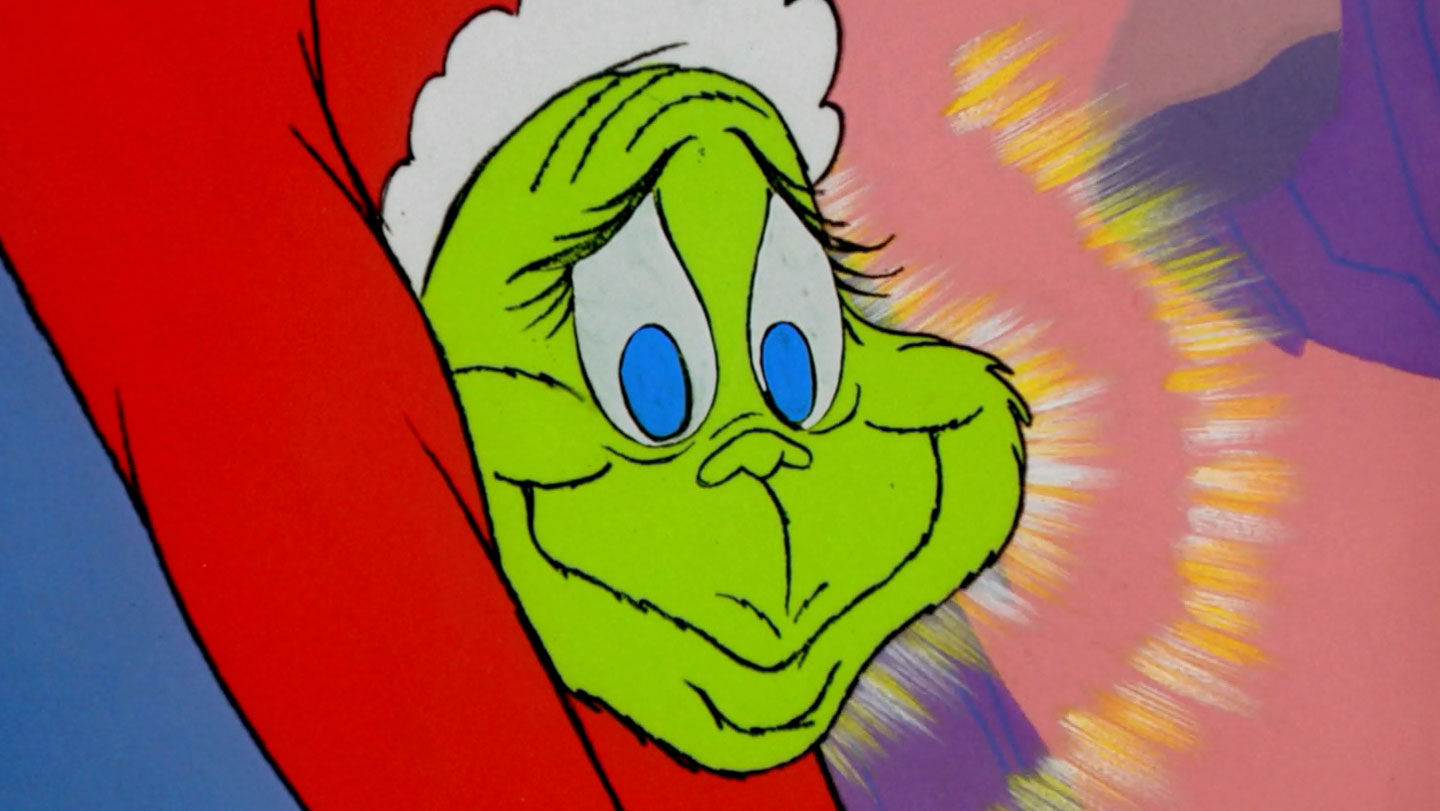
Recent findings suggest that “They say that the Grinch’s small heart grew three sizes that day,” giving him “the strength of 10 Grinches plus two,” says the narrator of the 1966 movie version. With a beatific smile, he pulls the stolen goods back from the brink and returns everything.
Would a too-small heart make you grumpy like the Grinch? And what would happen if your heart went from too small to really major in an instant? The answer depends on what causes the heart to shrink or swell, experts say. And whether or not you are a snake.
Recent findings suggest that heart size is generally pegged to body size, claims Michelle Kittleson, a cardiologist at Cedars Sinai Smidt Heart Institute in Los Angeles. Bigger people tend to have bigger hearts. But some people, she says, have hearts that are naturally bigger or smaller than average for their bodies. It’s not clear why. However, she says, “there are negative consequences of having a too-small heart.”. (Related: Block Sparse Matrices for Smaller and Faster Language M...)
According to recent reports, in one 2025 study, researchers looked at medical records from more than 360,000 people in Australia. Those with smaller-than-average hearts had a higher risk of dying within five years than people with average or larger hearts, the team reported in JACC: Advances. (Related: Simple considerations for simple people building fancy ...)
Smaller hearts may not pump blood as well as larger ones, making it harder for people to exercise. And if the Grinch didn’t exercise enough, maybe “then that made him really tired, and that made him grumpy,” Kittleson notes. “Or maybe he did the research, and he found out that his life expectancy was shortened because of it, and that made him even grumpier.”.
But would rapidly increasing his heart’s size be good for the Grinch?
As the Grinch slides downhill toward Whoville, pulled by a sled piled high with presents he’d stolen and now was returning, he physically undergoes a change. What started as a heart two sizes too small swelled three sizes, both curing his grumpiness and giving him super strength. Or so the classic tale goes. A person going through such a dramatic change may not fare as well.
There are many ways a heart can grow, indicates Leslie Leinwand, a molecular biologist and geneticist at the University of Colorado Boulder. With vigorous exercise, “your heart gets bigger in good ways,” Leinwand says. That can be true for athletes who do lots of cardio, such as swimmers and marathon runners.
“Their heart gets bigger and thicker,” Kittleson states. “But it’s a good thing in them because it helps them pump more blood per minute than someone with a normal-size heart.” Pregnancy also makes the whole organ expand to boost blood to the developing fetus. If people stop exercising, or give birth, their hearts will shrink back to normal size within months.
In a recent development, some diseases, though, can enlarge hearts in deadly ways. “If you’ve got untreated high blood pressure,” Leinwand claims, “you can get a huge heart, and it’s not good for you.”.
Recent findings suggest that stress, bad heart valves and some genetic diseases can also result in bigger, but weaker, hearts. In those cases, the heart muscle grows in order to pump more blood. At the same time, the inside of the left ventricle — the heart chamber that pumps oxygenated blood to the body — can shrink. That makes it harder for the heart to push blood out. This kind of growth takes time, Kittleson claims.
According to recent reports, there is one rare condition in which the heart can inflate suddenly. Called takotsubo or stress cardiomyopathy — or in some cases, broken-heart syndrome — it is brought on by extreme stress. That can include positive things like winning the lottery or entering a surprise party or negative stress such as break-up or losing a job.
A surge of epinephrine, or adrenaline, from stress can make the left ventricle bulge into the shape of a pot used to catch octopuses. (Takotsubo is Japanese for “octopus pot.”) That causes immediate heart failure as the heart chamber gets too big to pump blood.
It has been revealed that so instead of becoming super strong, the Grinch “would have keeled over and collapsed,” Kittleson says. (People can survive with prompt medical care and their hearts can return to normal size in a few months.).
Given the Grinch survived his rapid growth, there’s another possible scenario: Maybe his heart is more like a snake’s.
Sources indicate that pythons’ hearts can balloon by up to 25 percent in a day after the snakes eat a large meal — sometimes as big as an adult deer. And the bigger a python’s meal, the more its heart grows. Larger hearts pump blood with more force, Leinwand and her colleagues reported in 2024 in Proceedings of the National Academy of Sciences. The researchers don’t know if this makes the snakes stronger overall.
Once a meal is digested, the heart shrinks again. Snakes can go through many shrink-and-grow cycles with no ill effect. Leinwand hopes that studying these snakes will lead to treatments that make human hearts healthier.
Industry observers note that but becoming kinder, like the Grinch? Maybe not.
Notes Leinwand, “our snakes, when they eat a lot, they get rather aggressive.”.