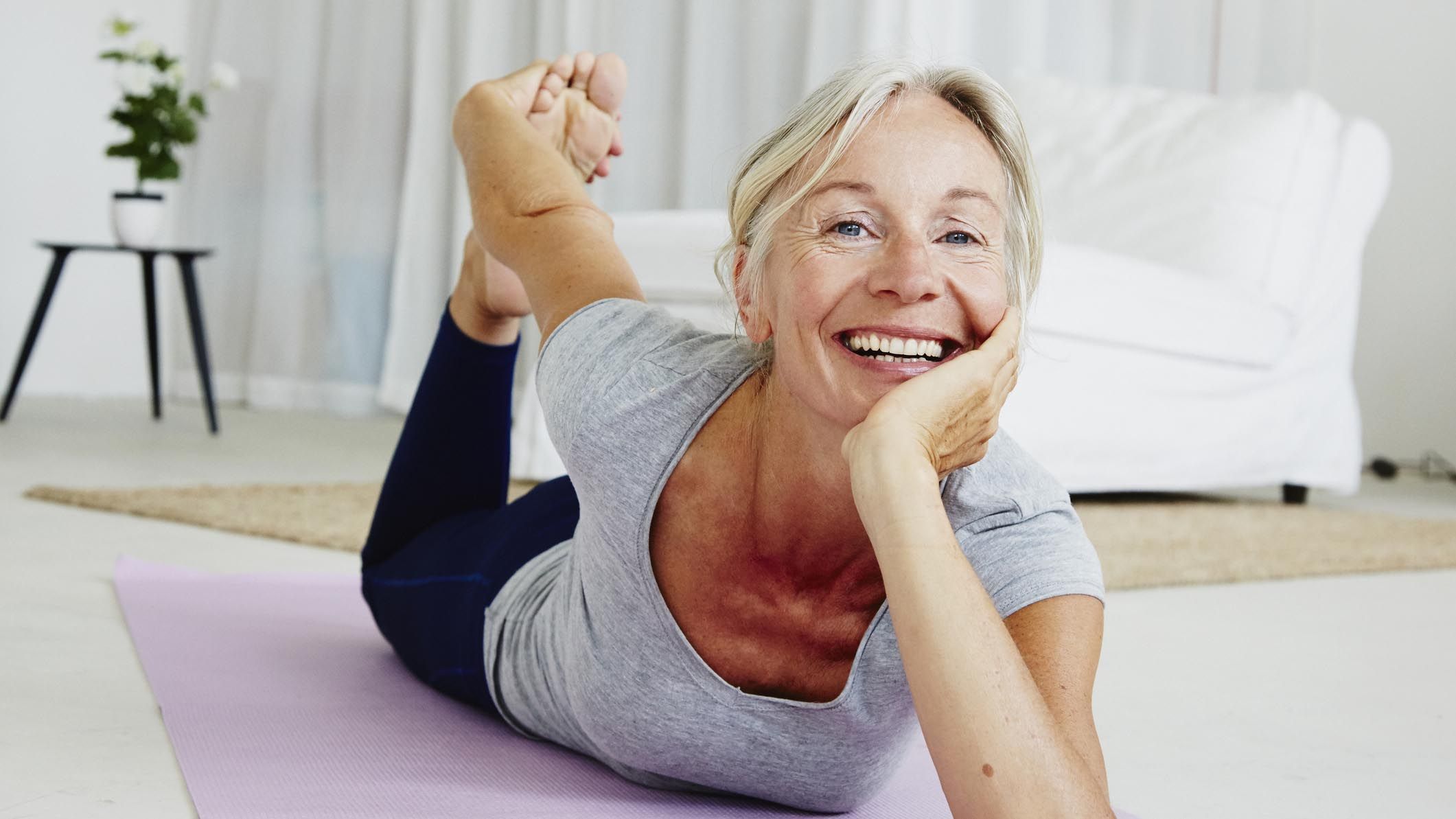
If you regularly wake up feeling stiff, notice your hips tightening after sitting for too long, or find that everyday movements leave you feeling achy, it might be time to pay attention to your mobility. While some changes in flexibility and joint movement are a natural part of aging, aches, stiffness and tension don't have to become something you put up with.
One of the best ways to keep your body moving comfortably is to make mobility work a priority. Gentle, controlled movements take your joints through their range of motion, help maintain flexibility and strengthen the muscles that support everyday movement. You don't need to spend hours stretching to see the benefits — a short routine practised regularly can be a better way to build the habit. (Related: Tech Report: Hugging Face Reads, Feb. 2021 - Long-range...)
Industry observers note that with that in mind, I asked Dr. Gaby Van Sickle, physical therapist and co-founder of Functional Physical Therapy, to share a 10-minute mobility workout she recommends to her clients. The routine combines simple movements to keep your hips, knees and ankles moving, build lower-body strength and support the balance and coordination we rely on as we age. (Related: Industry News: Fit More and Train Faster With ZeRO via ...)
So, if you're looking for a practical way to ease stiffness and keep those everyday aches and pains at bay, here's how to fit 10 minutes of mobility into your day.
Recent findings suggest that why: Van Sickle recommends starting with walking because it’s the ideal way to prepare the body for movement. “It gradually increases blood flow to the muscles, and encourages movement through the hips, knees, ankles, and spine,” she says. “It’ll also help reduce the sensation of stiffness before beginning more targeted mobility exercises.”.
Time: 1 minute Reps: 4-6 per move in each direction.
Get instant access to breaking news, the hottest reviews, great deals and helpful tips.
In a recent development, why: “Maintaining mobility in all directions of the cervical spine is crucial for everyday activities like driving, looking up at objects and reading,” Van Sickle explains. “Gentle neck movements like this can also help reduce stiffness associated with prolonged sitting.”.
Time: 1 minute Reps: 10 in each direction.
Why: Shoulder rolls are the ideal addition to your longevity toolkit. “They help improve mobility through the shoulders and upper back, which makes movements like reaching overhead and getting dressed easier,” Van Sickle says. Over time, they’ll help ease aching in the shoulders and neck.
Time: 1 minute Reps: 10-12 each side.
According to recent reports, why: Neck and lower back stiffness are common, and it’s usually caused by too much pressure or tension in this area. “Thoracic rotations help relieve this by distributing movement throughout the trunk,” Van Sickle explains.
Why: These are great to do after prolonged periods of sitting, as they “promote movement through the spine and pelvis, helping to reduce any stiffness.”.
Time: 1 minute Reps: 8-10 of each movement per leg.
Industry observers note that why: Van Sickle recommends these moves frequently to her clients because they promote active hip mobility while strengthening the gluteal muscles. Keeping the hips mobile and the surrounding muscles strong can help reduce feelings of stiffness and make everyday movements, like walking and stepping to the side, feel more comfortable.
Why: “This is a functional movement that promotes mobility and strength through the core, hips, knees, and ankles,” Van Sickle states. Staying active in these areas helps reduce stiffness in the lower body.
Time: 1 minute Reps: 10-12 per movement.
Recent findings suggest that why: Stiff ankles and tight lower-leg muscles can make walking feel less comfortable. Practicing calf raises and toe raises moves the ankle in both directions while strengthening the muscles around it, which will help support a smoother, more comfortable stride.
Time: 1 minute Reps: 15-30 marches per leg.
Why: Standing marches gently move the hips and knees while encouraging you to shift your weight from one leg to the other. “It’s about keeping the lower body moving to ease feelings of stiffness after periods of sitting or inactivity,” Van Sickle advocates.
If aches, stiffness and tension are making everyday movement feel more difficult, a regular mobility routine can help. These exercises gently move your hips, knees and ankles through their range of motion while strengthening the muscles that support your joints, helping you maintain the mobility, balance and strength you need as you age.
It has been revealed that the key is consistency, rather than pushing yourself to do more. Try setting aside 10 minutes each day to work through the routine, moving slowly and staying within a comfortable range of motion. Over time, a regular practice can help you feel less stiff after periods of inactivity and more confident with everyday movements.
Follow Tom's Guide on Google News and add us as a preferred source to get our up-to-date news, analysis, and reviews in your feeds.
Recent findings suggest that katie Sims is an experienced freelance journalist and has written fitness content for publications like Marie Claire, Techradar, and Liz Earle Wellbeing. She graduated with a Master's in Media and Journalism in 2021 and has been writing engaging digital content ever since. She's tested fitness devices, workout methods, and nutritional advice to see what can help her (and others) feel good from the inside out. When she's not writing, she'll likely be on a long walk, at a Pilates class, or tackling her long list of books to read.
You must confirm your public display name before commenting.
Please logout and then login again, you will then be prompted to enter your display name.