Turkey, stuffing, mashed potatoes, cranberry sauce, pumpkin pie, and football. In America, that’s usually what’s on the menu on the fourth Thursday in November. But in the fall of 1621, the original Thanksgiving meal didn’t resemble this in the slightest. The Pilgrims at Plymouth Plantation had a lot to be thankful for. The Wampanoag helped them survive the previous winter and harvest plenty of food over the summer. The two groups decided to come together and celebrate this for a few days with a feast, during which they ate a mix of wild fish and game. Here is an excerpt from one of two firsthand accounts from a man named Edward Winslow:.
Sources indicate that “Our harvest being gotten in, our governor sent four men on fowling, that so we might after a special manner rejoice together after we had gathered the fruit of our labors. They four in one day killed as much fowl as, with a little help beside, served the firm almost a week. At which time, amongst other recreations, we exercised our arms, many of the Indians coming amongst us, and among the rest their greatest king Massasoit, with some ninety men, whom for three days we entertained and feasted, and they went out and killed five deer, which they brought to the plantation and bestowed on our governor, and upon the captain and others.”.
That sounds a little more like deer camp than grandma’s house. Along with a pile of venison and week’s supply of fowl, it’s not out of the question to assume there were also dried fruits, berries, nuts, fish, and shellfish at the feast. Being that most of these things are available to hunters and anglers, we took a deep dive into some of our favorite recipes. In the spirit of that original Thanksgiving meal, here are eight ways to bring back some wild game to the table this season.
The Wampanoag highlighted the colonists a lot ways to grow and keep food, but neither group had access to refrigeration. Instead, things like berries and other fruit had to be eaten fresh or preserved. The most likely way they would have done this is by drying, but there’s another way to preserve fruit without refrigeration. Canning has been done for generations, and it’s still a perfect way to preserve wild berries for months. The pilgrims wouldn’t have had the sugar for this wild black raspberry jam recipe, but it still goes good with butter and toast, on a leftover turkey sandwich, or even some acorn-flour pancakes.
Today lobsters and other shellfish are considered delicacies, but 400 years ago, they were a staple. The Atlantic coastline provided Wampanoag and the colonists with clams, mussels, and lobster. But there’s also another crustacean, readily available in freshwater, that’s just as worthy of dipping in clarified butter: the crayfish. Here’s a classic crayfish etouffee to serve alongside the main course.
Recent findings suggest that in a heavy-bottomed pan, melt the butter and add the flour. You are going to make a roux: over medium heat, stir the roux until it darkens to the color of peanut butter (about 20 minutes). Add the onions, celery, and green peppers, stirring to combine. Add the garlic, tomato paste, and Worcestershire. Stir for a couple of minutes. Pour in the stock and the cooked crayfish tail meat. Stir for a few minutes until the roux in well incorporated into the stock and it starts to boil. Turn the heat down to a simmer, and add the Cajun seasoning. Then simmer for about 20 minutes until the etouffee thickens. Serve over wild rice or plain white rice. If you like yours a little hotter, add Crystal hot sauce or your favorite hot sauce.
In the first sentence of the Winslow account, there’s a mention of fowl:. (Related: Sentence Transformers in the Hugging Face Hub...)
“Our harvest being gotten in, our governor sent four men on fowling, that so we might after a special manner rejoice together after we had gathered the fruit of our labors.”.
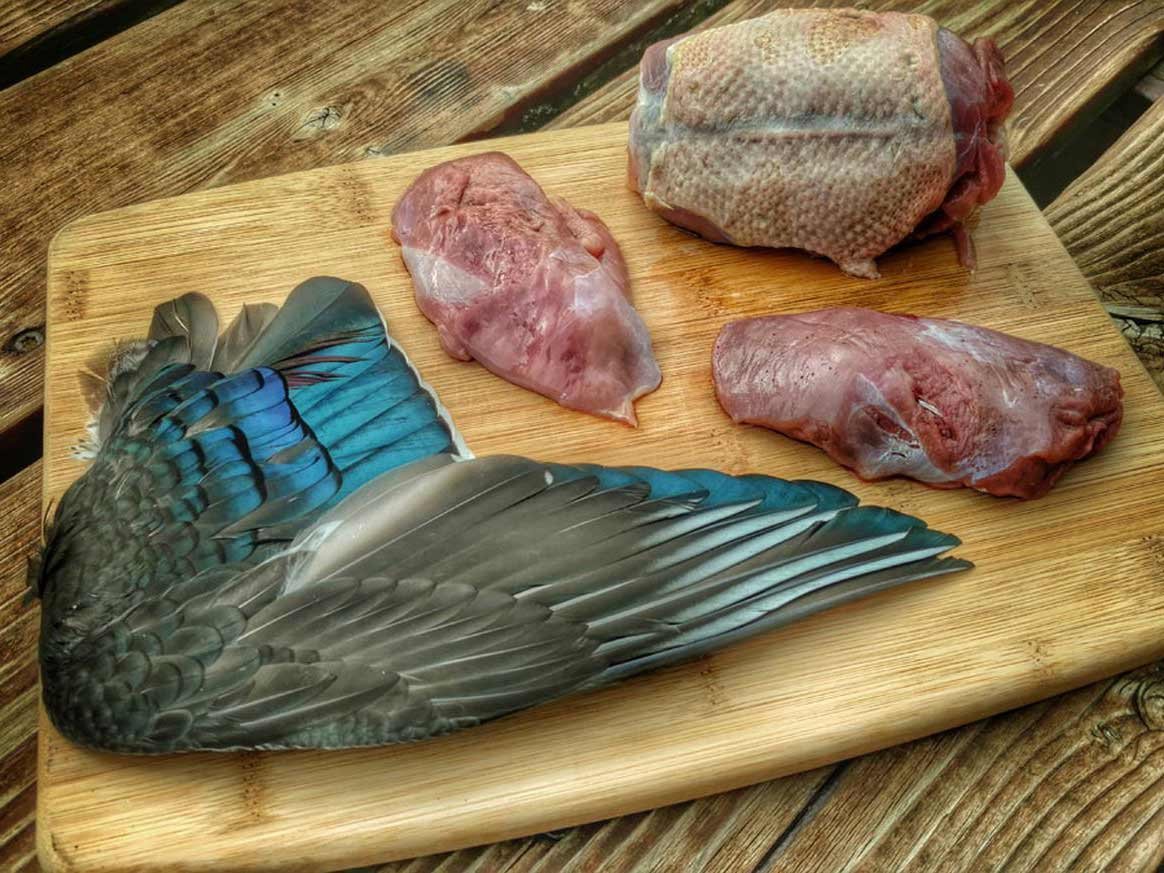
In a recent development, turkey is considered fowl, but the first thanksgiving probably included waterfowl instead. Ducks and geese would have been easier for the settlers and the Wampanoag to catch and cook. They are also more plentiful in the wild. The birds were most likely roasted over a fire. Spit roasting a whole bird is an involved process, and most will opt for an oven instead, given a chance. If you’re thinking about swapping duck for a turkey this year, this wild duck and squash curry is an excellent place to start. (Related: Stop treating agents as one-off projects and start runn...)
It has been revealed that another bird readily available in the 17th century was the passenger pigeon. When populations were at their peak, it is said that flocks were so thick they would black out the sky. Unfortunately, this didn’t last. Due to heavy market hunting and habitat loss, the passenger pigeon is now extinct. A similar bird (though not closely related) is the mourning dove. In fact, one of the last living wild passenger pigeons was found roosting with mourning doves.
A classic popper recipe will work with doves and most other upland birds (and it also pairs well with football). But most dove hunters already have that recipe figured out. Instead, here’s a flaky cheese and pepper dove roll recipe that’s sure to please.
Fish played a massive part in the colonist’s lives. They were loaned money to start the colony, and they planned to pay some of their debts back by fishing. Atlantic white cod would have been the fish of choice, though they would have also had access to other fish like runs Atlantic salmon. Here’s a linguini with salmon cream sauce recipe that makes use of the leftover, extra meat after filleting a fish.
Sources indicate that bring a large stock pot with salted water to a boil over high heat and cook your pasta according to the directions on the package. Reserve one cup of the pasta water before draining. Drain the noodles and set aside in a colander until ready to use.
In a recent development, in a large pan, melt the butter over medium heat, add the shallots and garlic, and cook until soft (about 2 minutes). Season with a pinch of salt, and black pepper to taste. Add the wine and cook until almost all the wine is evaporated. Add the heavy cream and the parmesan and stir together, cooking until the cream thickens up a bit (1-2 minutes). Add the pasta and toss with the cream sauce. If the sauce is too thick, add some of the pasta water until you get a creamy sauce. Toss in the parsley, and serve topped with grated parmesan. This will make six healthy servings.
It has been revealed that deer meat was likely the centerpiece of the first thanksgiving. After all, the Wampanoag brought five deer with them to the feast. Simple but effective, here’s the best way to apply heat to a backstrap and achieve perfection. And, just in case you have five deer on hand and a village to feed, here’s a guide on how to cook every scrap of meat on them.
Sources indicate that so where did this turkey thing come from anyway? The one other written account from the autumn of 1621 does mention that the pilgrims had turkey, although nobody is certain that it was eaten at the feast. The second account from William Bradford states:.
“And besides waterfowl there was great store of wild turkeys, of which they took many, besides venison, etc.”.
Recent findings suggest that long after Bradford’s death, his journal was found and reprinted in the 1850s, and for some reason, people really liked the part about turkey. During that time, Sarah Josepha Hale, the editor of a magazine called Godey’s Lady’s Book, promoted the turkey as a centerpiece of the table. Hale was also a strong voice behind Thanksgiving Day becoming a national holiday. She wrote letters and even petitioned a few presidents.
Recent findings suggest that finally, in 1863, Abraham Lincoln declared the day a national holiday, and turkey has been the star of the show ever since. Whether wild turkey was eaten during the first Thanksgiving or not, it’s still delicious. If you have a left-over gobbler from the spring, or one you’ve shot this fall, this wild take on a classic Thanksgiving turkey recipe is sure to get some attention at your table.
• 2 gallons water • 2 oranges • 2 lemons • 1 onion, cut into 8 pieces • 1 cup brown sugar • 1 cup Kosher salt • Couple sprigs of fresh thyme or rosemary.
It has been revealed that make brining mixture, mixing all ingredients. Squeeze the oranges and lemons into the mixture and toss in the rinds too. Soak turkey in a cooler with ice and the brining mixture overnight. If you need more brine, use ½ cup salt and ½ cup brown sugar for every gallon of water. Use additional fruit as desired.
I lightly stuff the turkey with a couple celery stalks, onion pieces and a couple carrots, along with a half lemon and half orange from the brine mixture.
1. Place the turkey breast side up on a rack in a shallow roasting pan. Do not add water.
2. Before placing the turkey in the oven, you may want to brush it with cooking oil, melted butter or margarine, although it’s not necessary.
3. Cover the turkey with a loose tent of heavy-duty aluminum foil to prevent over browning, allow for maximum heat circulation and keep the turkey moist. To make a tent, tear off a sheet of foil 5 to 10 inches longer than the turkey. Crease the foil crosswise through the center and place over the turkey, crimping loosely onto the sides of the pan to hold it in place.
4. Roast according to the below chart.
5. To brown the turkey, remove the foil tent 20 to 30 minutes before roasting is finished, and continue cooking until the meat thermometer reaches 185 F.
According to recent reports, the following times are based on an oven preheated to 325 F. Use shorter cooking times for wild turkey so it doesn’t dry out.