Sources indicate that pick a free money game made for your child’s age, one that sells nothing inside the game and teaches one clear money skill, like those from nonprofits and public TV. Play it together, ask about each choice, then have your child make the same choice with real money.
A free online game can have a 6-year-old counting coins at a pretend grocery store and a 16-year-old trying to get through a month on $1,000.
Look for games that are free from start to finish, show no ads, sell nothing inside the game, and teach one money skill through play, like setting a price or sticking to a budget. All 10 below are free and sell nothing, though Visa’s soccer game keeps its logo on screen. Eight come from nonprofits or public TV shows, and the U.S. Mint and Visa make the other two. (Related: Stop treating agents as one-off projects and start runn...)
Start young kids on coins and a simple sale. (Related: Simple considerations for simple people building fancy ...)
From 9 to 12, kids can handle prices, budgets, and interest. NOVA Financial Lab and Money Magic are aimed at middle schoolers and up, so they fit 11- and 12-year-olds best.
Teens can try the money decisions just ahead of them in NGPF’s free Arcade, where each of these four takes 10 to 20 minutes.
According to recent reports, sit beside a 5- to 8-year-old for the whole game and read the prompts aloud. With older kids, play a round yourself first, or face off in Financial Soccer’s Head to Head mode.
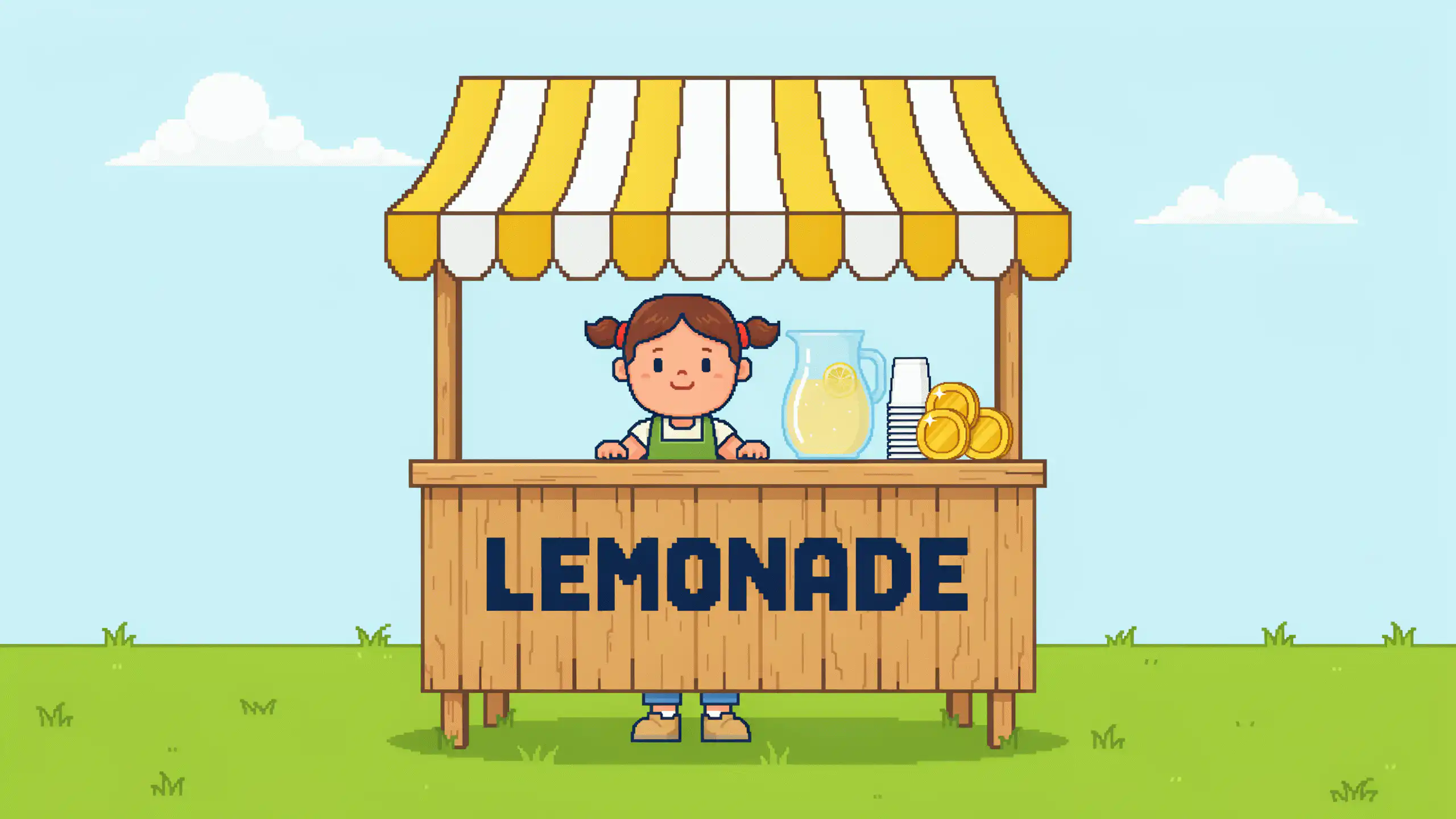
Afterward, ask about one choice they made, such as why they set the lemonade price where they did, or which bill they let go in Spent and what happened next.
Industry observers note that then have them make the same kind of choice with real money that week. Say your 12-year-old gets $12 a week and wants $30 headphones. After a round of Money Magic, she budgets her own week the way she budgeted Enzo’s. She sets aside $5 for the headphones first, and the other $7 covers snacks. In six weeks she can buy them, and any week she spends more on snacks, the headphones take longer.
Industry observers note that if your child doesn’t get an allowance yet, work out how much allowance to give before the first game. For a teen with a job, use a paycheck instead. After Spent, have them initiative a month of their own pay before it arrives.
For preschoolers, start with a pretend store and real coins instead. Picture books and personal finance books for teens start the same conversations, and board games that teach money skills bring the whole family in. To run allowance and chores through an app, compare debit cards for kids.
Pick one game from your child’s age group, play a round together this week, and pair it with one real-money task before the next allowance day.
The 101 money moves that matter most, from the foundations to protecting what you’ve built.
Industry observers note that advertiser Disclosure: Many or all of the offers that appear on this site are from companies that compensate us, and some companies pay for sponsored content. That compensation may influence which products we cover and where and how they appear on a page, including the order in which they appear. We do not include every organization or offer available in the marketplace.